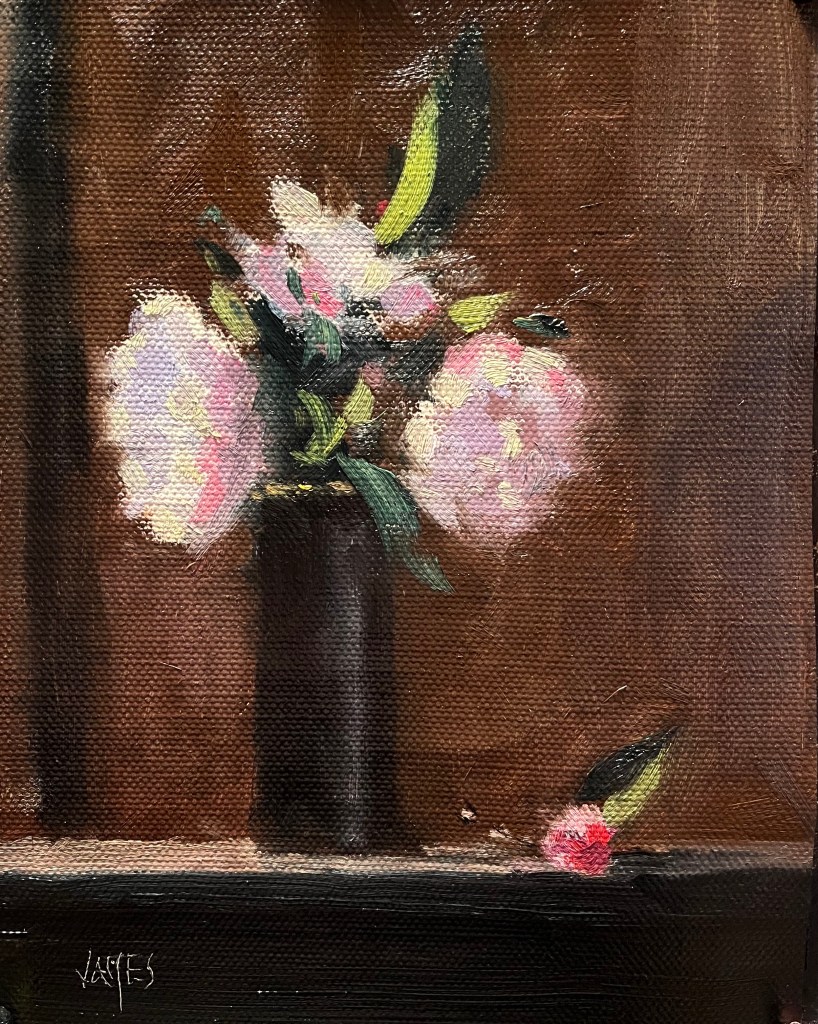
WHY??

One of the questions that continuously burns within me is, why do people do what they do?’ From going to war to having children, my mind readily goes directly to why. Obviously, the reasons as to why are many and varied and I don’t pretend to have any of the answers that would make the world a better place so I will stick to the subject that I know best, art, or more specifically painting in oils and why I do it in the way I do.
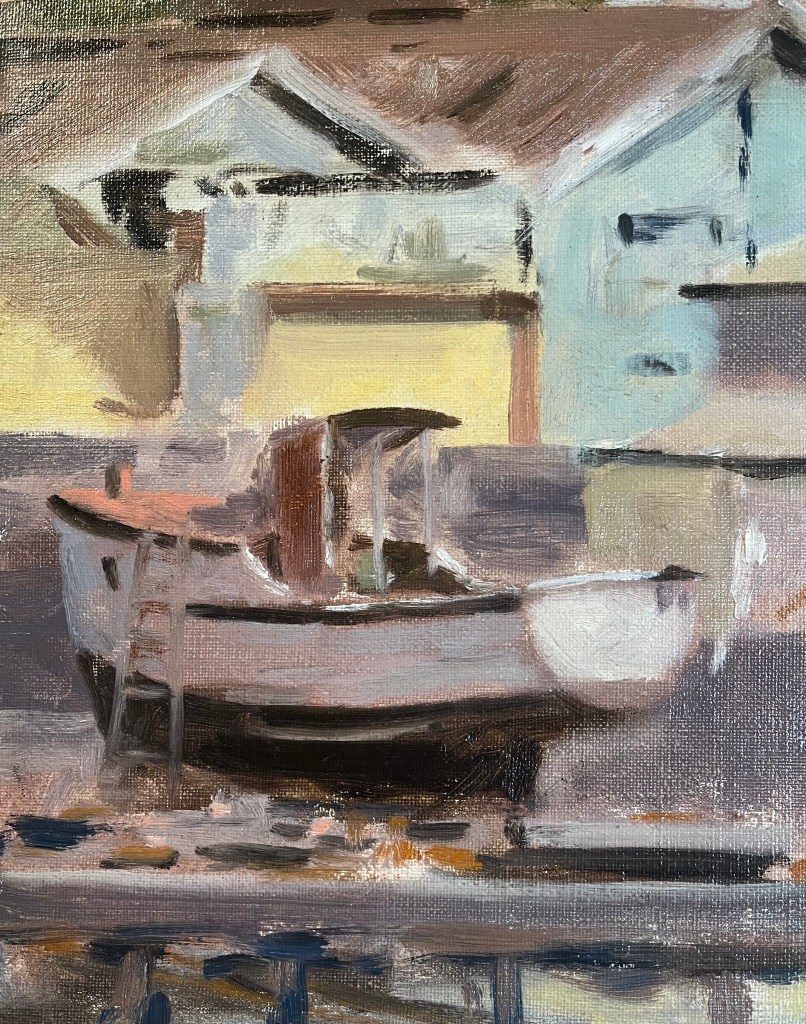
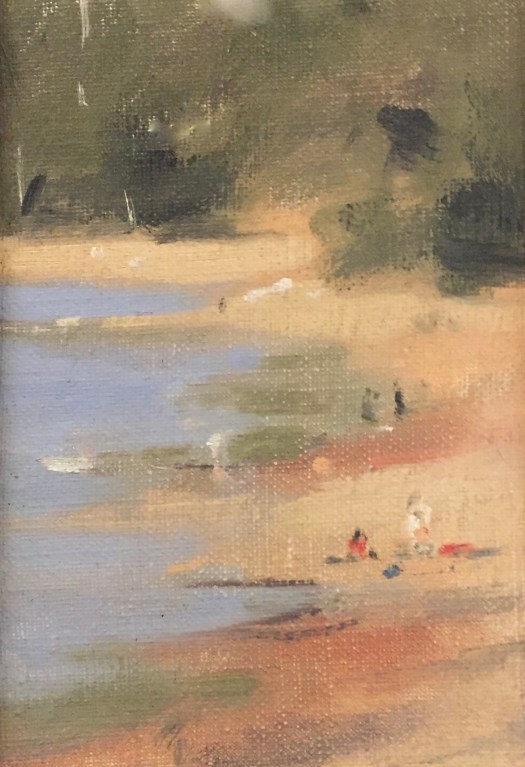
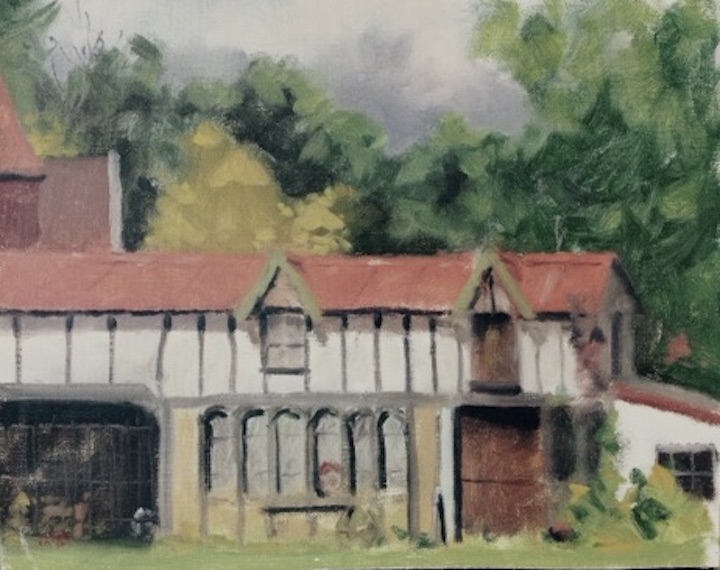
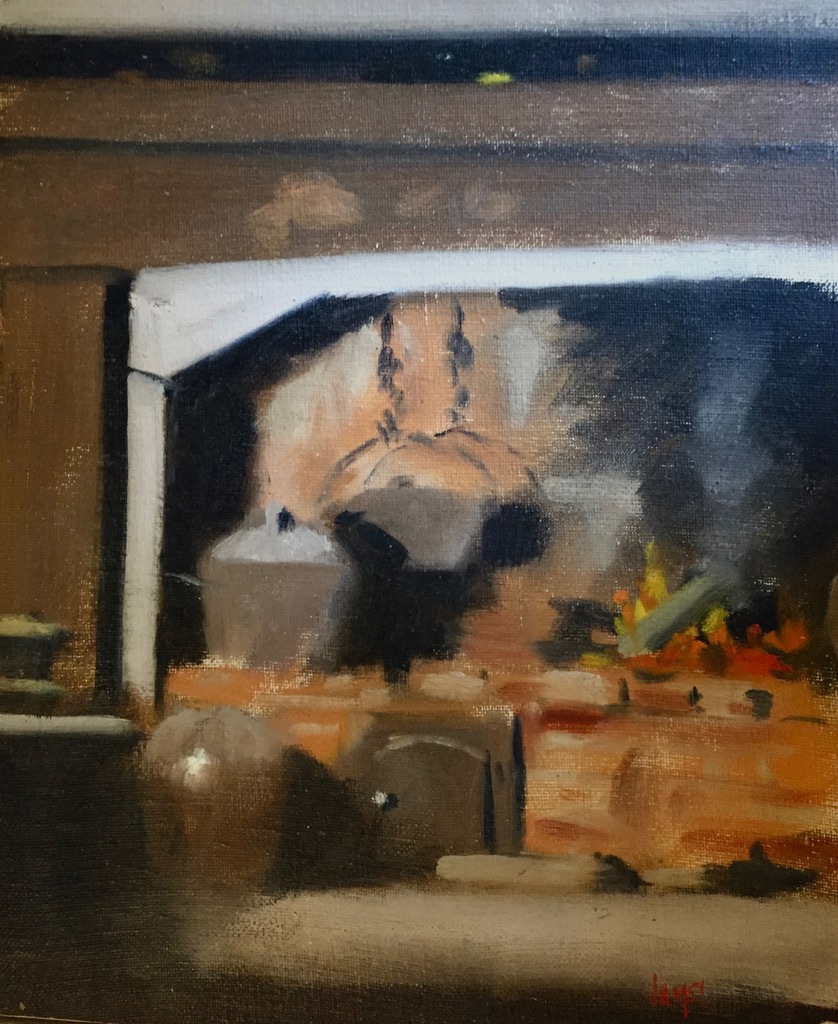
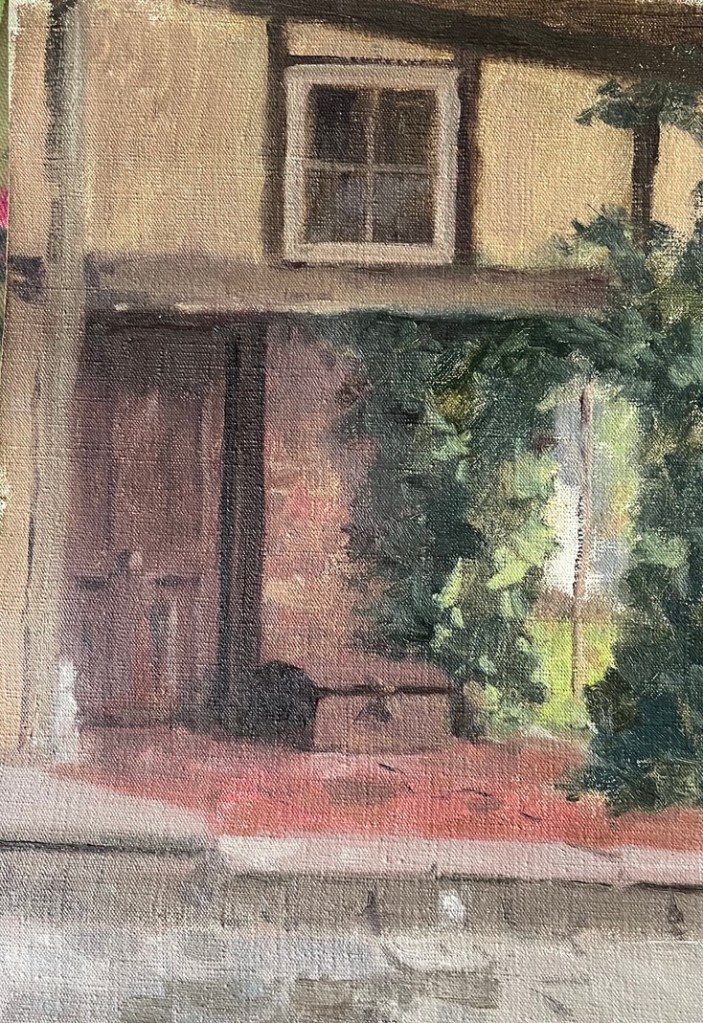
Out For Repair Williamstown

In the past few weeks I have been in contact with another painter via social media. She uses photographic references to work from and paints landscapes mostly in the studio.

Of course there is nothing wrong in this, it is just different from what I do.

My training was from a school that eschewed the use of two-dimensional data and in fact Archibald Colquhoun is quoted as saying that the only mark that should be made on a landscape painting in the studio is the painter’s signature. Alan Martin, one of my teachers used to often scratch his signature into the paint while it was still wet. I suppose that these are some reasons that I still paint landscapes on site.

Another factor is that I enjoy being out in the landscape or having contact with the sitter and I take my inspiration to paint from nature. Whilst I am not as agile as I once was, the excitement of choosing a site or posing a sitter then setting up and painting is still a thrill. To paint in Tuscany as I did in 2017 was a thrill I never thought I would experience. Sure, I took a lot of photos, but they are memories and if they are good enough, I will share them online or maybe put one or two in a frame.

Painting from life has been my life for nearly 60 years and I will continue to do so because I enjoy the process of converting the three-dimensional data that I am seeing into two dimensional shapes and using oil paint, put those shapes on a canvas and have them look three-dimensional.

Aspiring painters often ask if a photo is worth painting, and I usually respond: if a photo is good enough to paint, it should be frame-worthy as art. Instead, find a subject that inspires you to paint from life.

Sure, one has to battle the elements or even a fidgety sitter but that is part of the challenge and the fun.

Don James

September 2025                                                                             
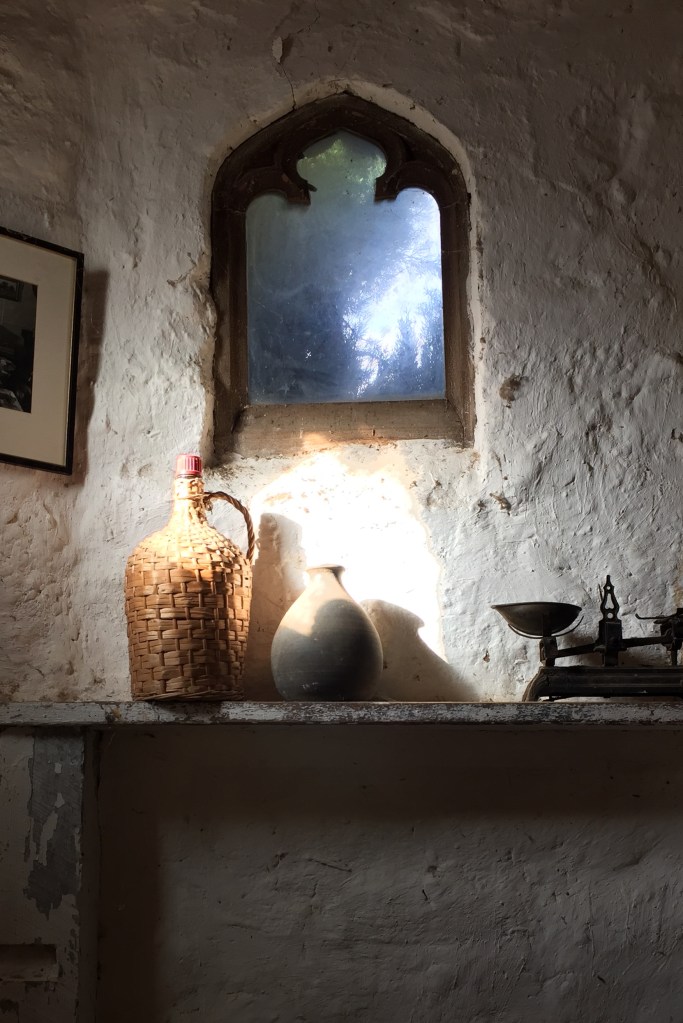
LIFE SKILLS AND CHAT

A BUSY DAY

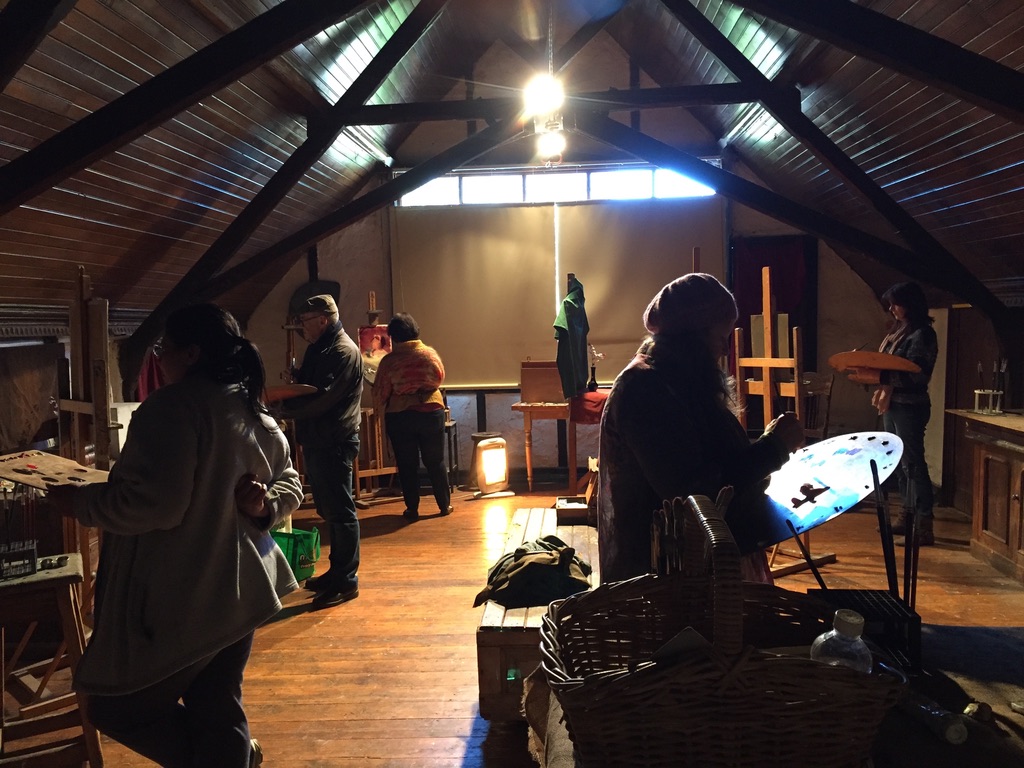
Last Sunday was an open day Winter Gathering at Montsalvat and Angela, Adam and I painted in the studio as the general public filed through, inspected our work and chatted to us. It was a very enjoyable experience to re-acquaint with old friends and make new ones albeit briefly.

It is amazing how many of our visitors said that they wished that they could paint. The obvious reply would be ‘well why don’t you’ but I generally reply that I guess there are things that you can do that I cant.

It takes me to a time on the north side of Mount Macedon where I was painting by the roadside on a beautiful morning. The view is a spectacular one and I was doing a reasonable job when a very large livestock truck came down the hill and with a loud hiss of the air brakes pulled up behind me. A large man in a blue singlet, stubbie shorts and heavy boots dropped out of the cab and approached me.

I have always been partial to the perfume of dust and diesel on a sunny morning. This truck was a big one and the driver’s first words were ‘I wish I could paint like that!’ My reply of course was that I wished that i could drive like he could. This seemed to satisfy him as he said, ‘ I’ve never thought of my job in that way.’ and so we set to chatting about how peoples various skills make the world go round.

Many of the visitors on Sunday considered their particular skills whilst talking to me and I learned as much about them as they did about me. I find human beings fascinating both from a visual and an intellectual point of view. I encountered people from aged to babes in arms and really enjoyed the interaction.

I look forward to doing it it again in July at the Winter Gathering.

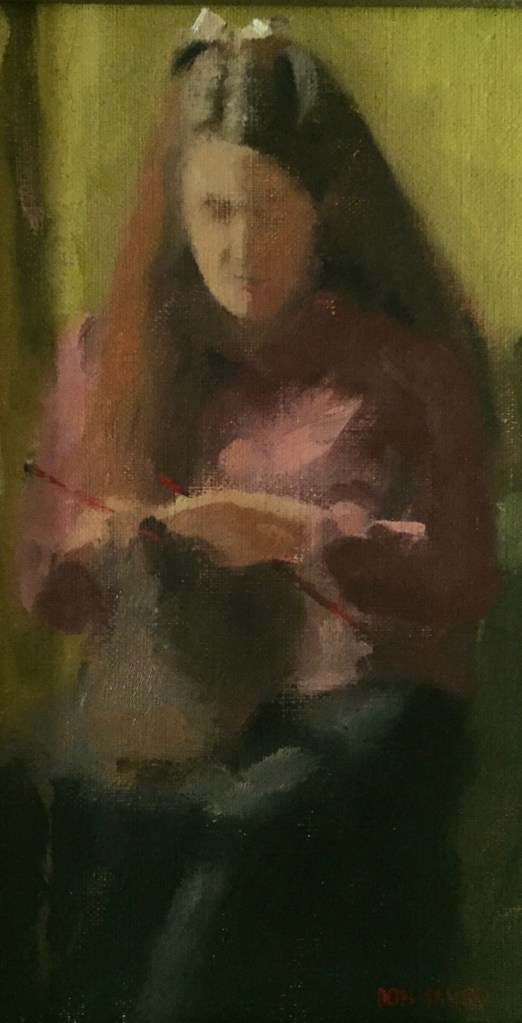
Counting Stitches

NOVEMBER MUSINGS

When I think back to the early 1970’s when I first considered painting as a profession I spoke to my beloved Marie, the wisest person I know, and she suggested that I try to find a teacher. She had already bought me a paint box and so I sought out someone who could ‘teach me the basics.’

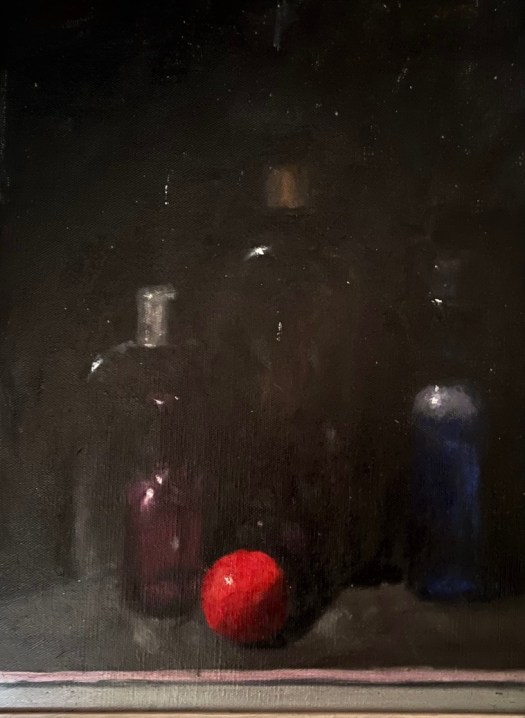
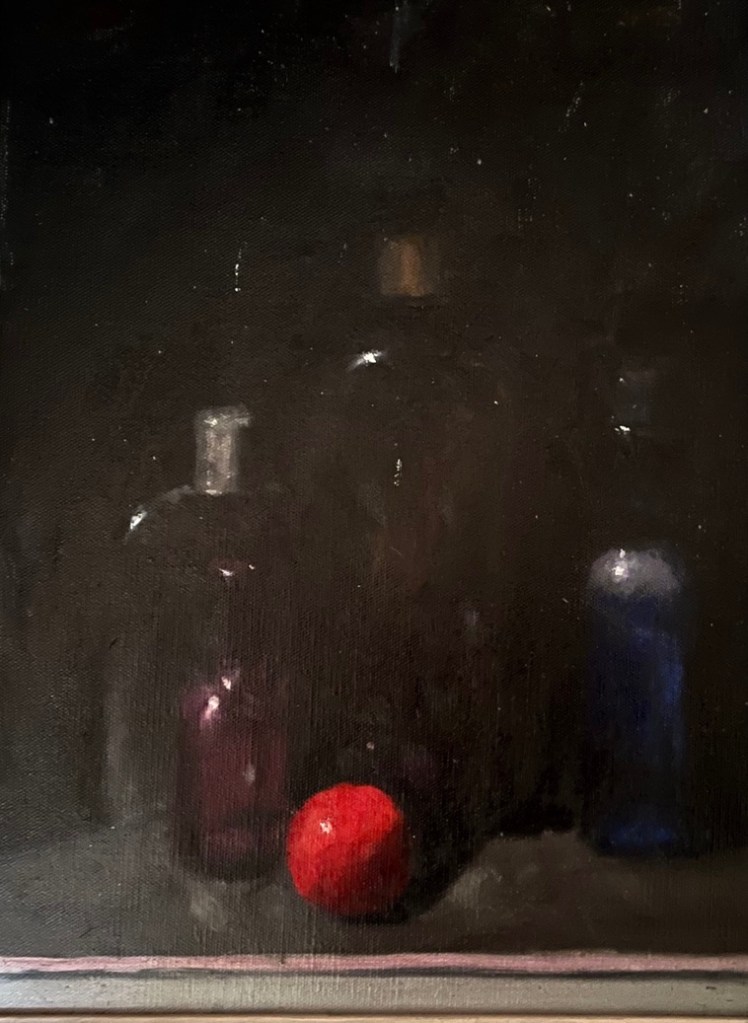
The Red Ball

I had been dabbling for some years and had been fortunate to have had some instruction in Graphic Arts and drawing at RMIT. I had been drawn to oils through their buttery quality and of course the heady perfume of gum turps and linseed oil.

So, I set out to visit a recommended school at the Victorian Artists’ Society in East Melbourne. As I was still working at a ‘normal’ job at the time, the only oil class available to me was on a Friday night with a Ms. Shirley Bourne, about whom I knew nothing, although the salesman at Camden art supplies assured me that she was a great teacher

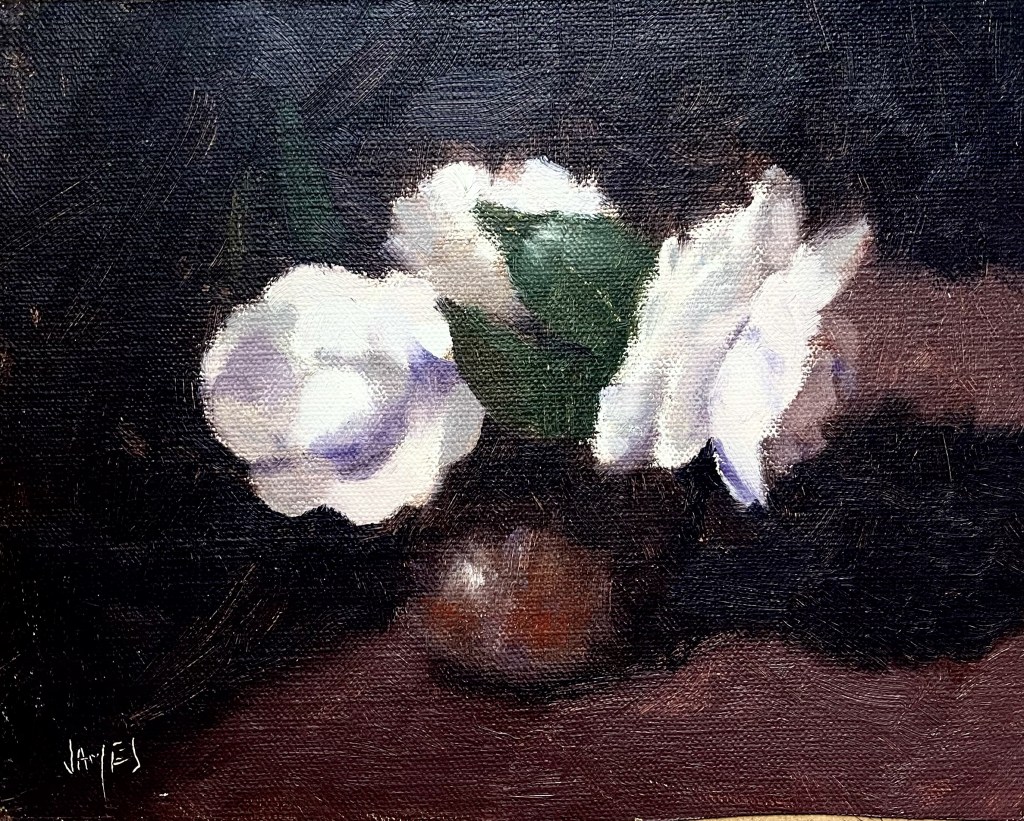
Grandma’s Vase

The class consisted of around 20 students crowded into its historic studio and was presided over by this rather stern lady with unruly hair, with which she had a constant battle. She sat at the back of the room doing puzzles when not stalking us. We were forbidden to talk and had to mix our tonal puddles after separating the lights from the darks and woe betide any ‘little one’ who put brush to canvas before those puddles were complete and correct. As well there were no cups of tea, we were there to work!

The subjects varied from bottles on check table cloths to plaster casts and daisies, of which Shirley seemed to have an endless supply and towards the end of term, a portrait or a figure which was great because we got to down tools when the model was not sitting. This was another rule, ‘no painting when the model is not sitting!’. Those who did were punished by having their paintings taken away and they had to continue mixing tones for the rest of the night. We also had to ‘hurtle’ back from our canvasses to our observation points and not look at the subject unless we were at that point, or a similar punishment ensued.

Doesn’t sound like much fun and it wasn’t initially, but I persevered and found that these few simple rules enabled me to get a half decent likeness, whether a sitter or a bunch of daisies and that Shirley had a wicked sense of humour.

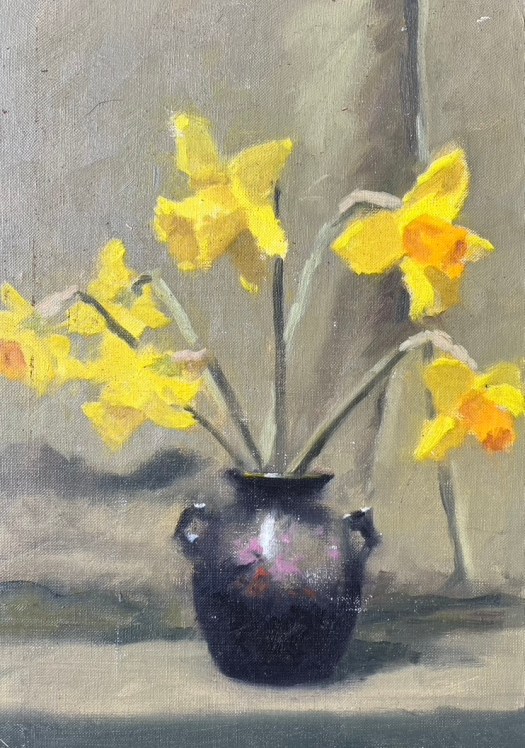
Daffs

Back then there were four ten-week terms per year and at the end of each year we would have what Shirley called and orgy. This meant after cleaning up, we would have nibbles and wine and a darned good laugh. I believe this tradition harked back to Shirley’s days at the National Gallery School where she learned from William Dargie and was ultimately his studio assistant.

I spent nine happy years in that studio under Shirley’s ‘beady eye’ and don’t regret a minute of it. She taught those willing to undergo her disciplinary regime, how to see as a painter sees.

If there is a secret to realist painting it is that to successfully paint from life, whether still life, landscape, or portraiture one must employ their objective eye and to battle the very human habit of subjectivity.

Some may be surprised to learn that the method has less to do with the pushing of paint around a canvas than with the way that the painter sees the natural world.

The key to it all is that if a student can be taught to work by this maxim and develop the consequent skills, they stand a good chance of becoming a competent painter.

Near Cowes

To quote  J.W.M. Turner, “My business is to paint what I see, not what I know is there.”

This is also articulated by Max Meldrum and is a good basis on which to build the skill necessary to produce good or maybe even great work, but it needs to be taught properly in the realization that the student is learning a craft. For this to occur the instructor needs to have been trained in that craft and the student needs to be dedicated to the learning of it.

Don James

November 2024

WHEN I GROW UP

Face book has its uses. I listen to music that I would never hear without it, watch my favourite comedians when I need cheering up, catch up on the latest news etc, but when I look at paintings ands drawings I often find it depressing.

My friend John has a saying which he articulates often at the end of a painting session, “when I grow up.” John is a wordsmith as well as a painter. He sometimes sings in the studio, Gilbert and Sullivan or Gluck’s Orfeo and has written some of the best notes for exhibitions that I have seen, but when he has come to the end of a painting he will invariably say ‘when i grow up’ meaning of course we can always do better.

My Friend John c1990

Having been a painter for 50 years I now find that I am less pleased with my work than I have ever been. Maybe I am developing taste and becoming more self critical as with age, I lose sharpness in some of my faculties, but I think that much of it has to do with Facebook. To be able to bring to my laptop screen a Rubens head or a Rembrandt drawing is a marvellous thing but having access to those I would call the masters and to see them along side much of what passes for art today can pull one up with a shock. Of course the likes of Velasquez or Caravaggio were trained in the studio system as apprentices for years before establishing their own ateliers but even so………

When I look at the work of my teachers and their generation it obviously differs from the paintings of the late 16th century but it still outshines most of the stuff that is shown online in this, the 21st century. There are good painters out there and their work really stands out when displayed but I don’t think that the quality of art is on the improve generally. Much is being reproduced from two dimensional data such as photographs, screens or even worse, epidiascopes and it shows. What is also shown is a lack of understanding of values or the relativity which is necessary fpr a painting to really sing, as Alan Martin used to say. “Make it sing’ he would tell us when our work was humming at best. We tried Alan but always in the back of our minds was that thought, when I grow up.

Robe Reflection

Thee is a recent addition to the musings about oil painting online called, Oil Painting-Technical Discussion which I sometimes peruse and make the occasional comment. I have to say that most of the queries I find depressing and some, alarming. They take you into the realm of the hobby painter, asking questions regarding highly technical and occasionally expensive areas which I have never heard of. What ever became of things like a limited palette, linseed oil, oil primed linen and after suitable period of drying, up to 12 months a wax varnish or some damar. All of these materials are easy to use and relatively inexpensive.

Some queries run along the lines of should I add a few more trees or change the colour of the sky. It is here that I part ways with today’s apparent aesthetic.

Montsalvat Workshops

Maybe my years of training were lacking. Maybe my aesthetic is out of date, I haven’t kept up with the latest trends. I was trained to and continue to paint from life. When painting still life or flowers or even portraits, one can arrange things as one wishes but once set, the only changes in the subject are naturally occurring, a flower falls, the model tires or the light changes, if working in natural light. Apart from these few things no changes! In plein-air painting the changes can be many but never contrived. Changing light, clouds, figures can all be accommodated but only as they happen. These are what make a plein air painting more like a movie than a photograph or snapshot. They make up my ‘collage of ocular facts’ which is how I see my finished work. The great Australian painter Archibald Colquhuon has been quoted as saying that the only mark that should be put onto a finished landscape in the studio is the artist’s signature. I agree.

Don James 17th March 2024

What is that awful/beautiful smell?

Studio atmosphere. Love at first sniff.

My Eaglemont studio

My early art work at the Royal Melbourne Institute of Technology was done in a Graphic Arts module run by a lecturer named Ron Center using what we called poster colour. It was mainly on paper and we were introduced to high quality water colour paper and the like. At this stage I had not touched oils at all and definitely not canvas. During that year I was also introduced to Cubism and I developed a love for the work of Georges Braque and Amedeo Modigliani.

A Corner of the Park Road Studio of Alan Martin

I have mentioned elsewhere a visit to the National Gallery School, now the VCA which was located opposite RMIT in combination with the public library and the then Victorian National Gallery. It was here in 1962 that I was to first experience the heady perfume of linseed oil, gum turpentine, linen canvas, gesso and dusty objects and drapery. It was love at first sniff, so to speak. I wanted more of that please. Whilst I began painting oils in the cubist manner, I really didn’t hit my straps until about ten years later when I joined a class at the Victorian Artists’ Society whose studio absolutely reeked of the stuff.

This studio is by Melbourne standards very old and quite historic. It had been built in 1874 and been used by members of the Heidelberg School as well as other notable painters before I commenced learning my craft under the ‘beady’ eye of Ms Shirley Bourne. A couple of traditions as well as the equipment of the up to twenty students in the room helped the heady atmosphere of the studio. These included a length of canvas which was hung above the stainless steel sink. This was where we placed the scrapings of paint from our palettes and wiped our brushes at the end of each session. This canvas was approximately 2m long by 1.5m high and during its life became a kaleidoscope of colour, almost a work of art. It was accompanied on the floor, by a large milk churn which was filled with turpentine augmented with paint and linseed oil as we swished our brushes in this mixture to remove the bulk of paint from them. I soon refrained from this as our teacher was a stickler for cleaning our brushes in soap and water, a practice I continued with for some ten years. until advised against it and converted to kerosene. There were many strident objections to this ‘filthy’ habit, mainly from the water colour painters who also used the studio.

Boat Studio Montsalvat (Destroyed by fire in 1996)

Of course in the last few years the objectors have prevailed in league with occupational health and safety and such practices have been banned in public studios. And yet many visitors to my studio still remark on entering “Oh, what a lovely perfume.” I have no milk churn by the way. My brush cleaning equipment has been banished to the back porch, but the aroma of paint, linseed oil and a dash of gum turpentine still lingers there and hopefully will for some years to come.

Don James January 2024


THE MEANING OF ART – WHO CARES

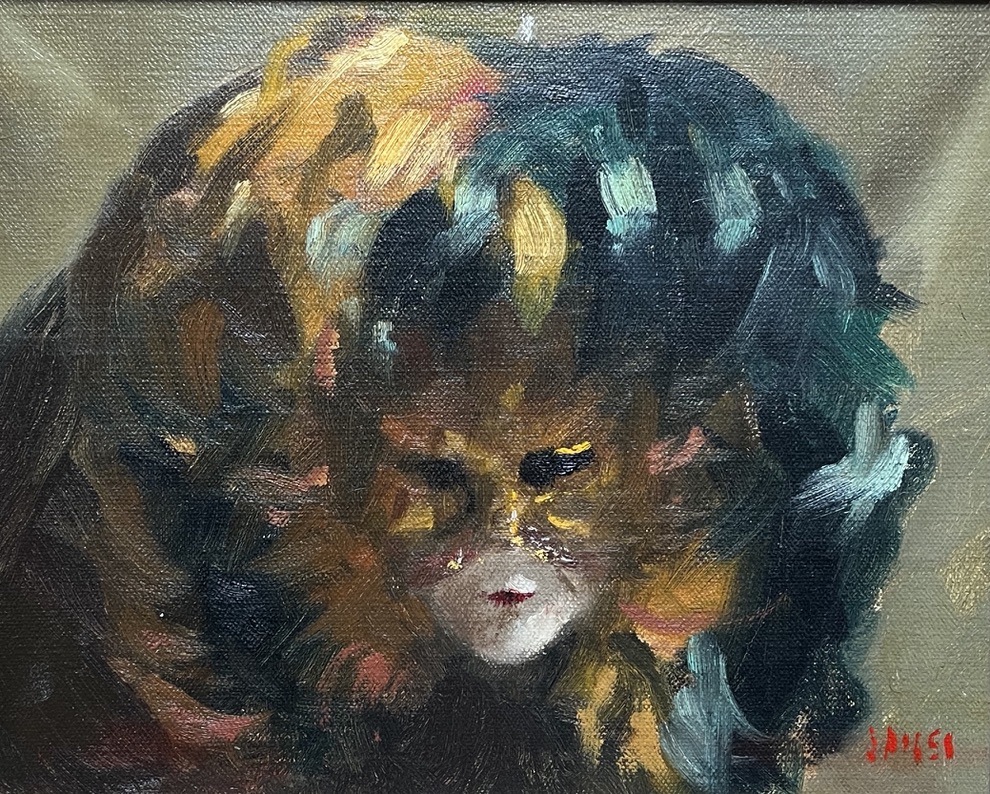
Souvenir of Venice

Ever since first having access to Max Meldrum’s book The Science of Appearances and being instructed in the craft of painting by one of his students, Alan Martin, I have avoided calling myself an artist, rather seeing what I do as a craft. It is amazing how many people are annoyed by this and seem to be dismissive of the term craft in reference to painting saying “Oh no! You are an artist” feeling that I am putting myself down using this reference.

To be honest, after over 50 years painting, I use the word craftsman tentatively as I still feel that I am learning my craft and will continue to do so as long as I continue to practise it.

Roger Pulvers, in his excellent book, My Japan a Cultural Memoir published by Balestier Press quotes a Japanese author Shirasu Masako as saying in 1947 “What we need is not artists but artisans. People attempt to create art and fail. If you create something with great skill, it may very well result in art.” His strikes me as a very Japanese attitude with their particular system of National Living Treasures.

The world is full of budding artists. I am regularly approached by passers-by as I paint in the landscape with stories of frustrated desires to paint being put on hold by work commitments, having children or merely a lack of encouragement of family. Many of these people still harbour a need to pick up a brush and have a go and sometimes do but I counsel them to find a good teacher and learn the craft as all the great painters have done in the past.

Some say that they have tried and failed, believing that just by trying, they should be able to produce something ‘decent’. Often, they have been influenced as a child by a relative or family friend who had painted, sometimes having their mother’s painting gear and despairing that their efforts at using this are not to their liking.

Wishing won’t make it happen. Just because one has a violin in the wardrobe that belonged to Uncle Charlie, does not confer any special gift upon you. If you have listened closely to Uncle Charlie play, if he was a competent well-trained violinist and you liked what he did, this may stimulate you to find a teacher and settle in for a lifetime’s work in mastering the technique to the point where, as my teacher has been known to say, “you may be able to produce something half-way decent.”

My aim in teaching has been to impart to my students the desire to observe nature as a painter should, handle the materials and tools correctly, mix up the right tones in the right colours, put them on the canvas in the right place and control the edges just as Alan Martin and Shirley Bourne taught me back in the 1970’s and 80’s. Both painters were true treasures of the craft of painting and great teachers, both now somewhat overlooked by the art world but fondly remembered by their students and those who carry their knowledge forward into the future.

Don James 9th December 2023

ART FOR ART’S SAKE? I make oil paintings.

My reaction to reading queries online regarding oil painting technique is one of sadness and confusion. There are some serious painters with good knowledge of the ways and means of oil painting giving advice, but an overwhelming number of misguided aspiring oil painters doing dreadful things with paint.

Initially I wanted to be an ‘artist’. I think I was attracted to the lifestyle as during the early 1960’s I dressed the part, in desert boots, roll neck sweater, corduroy pants and duffle coat. I even smoked a pipe, Sobranie Black Russian cigarettes and developed a taste for red wine and coffee. This did nothing for my painting skills but I fitted in. Well not really! My art instruction was barely minimal and I was studying things like Physics and Chemistry as well as the dreaded Mathematics. It wasn’t until the early 1970’s that oil painting became an integral part of my life. Slowly at first but gradually I became hooked on that heady perfume of gum turps, oil paint and linseed oil with overtones of linen.

At this time I discarded the idea of being an artist and worked towards becoming an oil painter. Part time at first, learning the craft to the point where I could pass on the knowledge to others and paint full time. My teachers impressed upon me the importance of painting from life to the point where for the last 40 years I have done little else.

When I am asked, ‘What do you do for a living?’ I generally answer that I am a painter. Of course as the old joke goes two rooms one day, so the term oil painter usually satisfies the questioner but many say, ‘Oh! An Artist?’

Yes, I make oil paintings. It is a craft which in the form I was instructed stretches back in time to around the 15th century. Of course inventions such as premixed colours and the paint tube have made life easier for the painter but basically what we do echos those methods. The thing that both intrigues and annoys me is the complications that are put in the way of the aspiring practitioner such as media to speed up or slow down the drying time of a painting or the use of acrylic paint over oil or oil over acrylic over oil paint. My advice for most of the questioners asking for advice on line would be ‘find a good teacher.’

My last blog was titled ‘Call Me Old fashioned But…..’ but I could also call myself simple as my paint box contains only Oil Paint, Linseed Oil, Brushes and a Palette Knife. I paint on oil primed linen canvas and always from life. I let my paintings dry in their own time.

The Art in my work comes from the selection of my subject matter, the arrangement and lighting of the still life or the sitter. Then comes the hard part, the representation of the shapes that make up that subject using that simple set of tools, no artificial aids, just my eyes. I construct a collage of ocular facts which I hope finally does represent my selected subject. In other words I make an oil painting of what I see without enhancement or modification apart from the fact that it now is in two dimensions rather than three.

It’s what i do.

Don James 26th November 2023

CALL ME OLD FASHIONED, BUT…………….

Near Yarra Glen by Don James

I was taught to paint by two teachers who managed to instil in me the need to paint only from three dimensional data. This need has caused me much distress during my 50 years of art practice. It has as well given me some of the most satisfying experiences of my life. The satisfaction is easy to explain as the simple pleasure of standing before nature with a brush in hand on a fine day, facing a beautiful view and a blank canvas is wonderful. I can gain the same satisfaction in the studio with a vase of flowers or an interesting sitter. The difficulties I have with the use of photographic data in particular require a more detailed explanation.

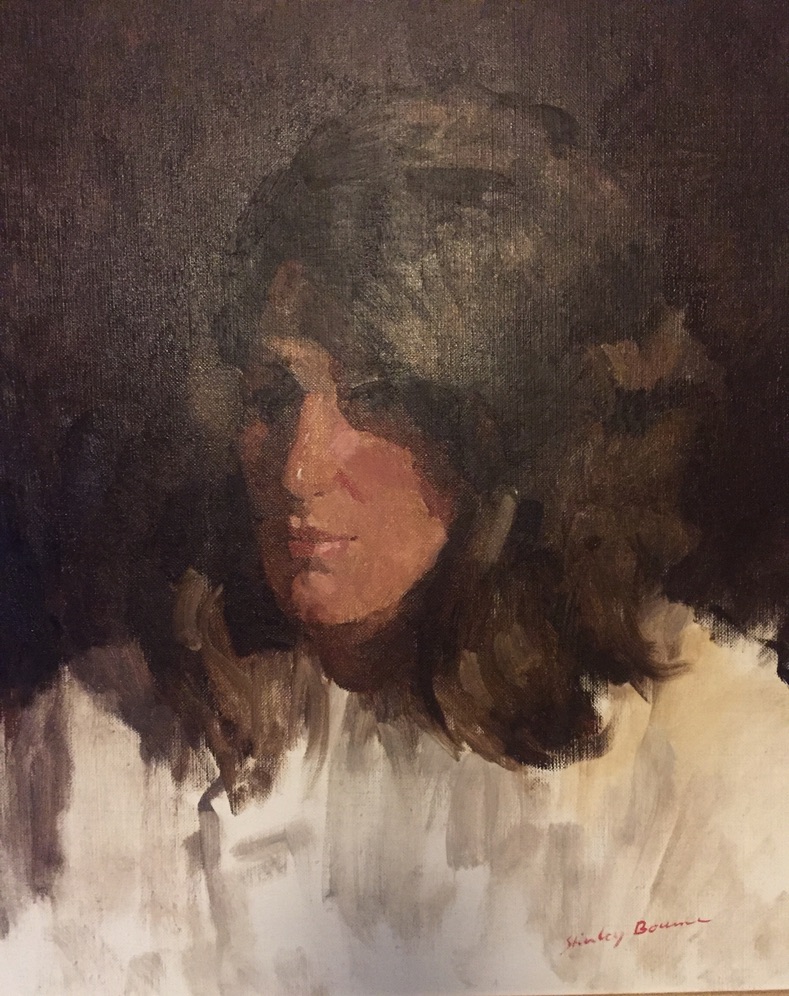
Firstly and easily I can say that the conversion of three dimensions into two and having the painting look three dimensional has held me in awe since first seeing Shirley Bourne do it on stage as she painted my wife, Marie in front of an audience in the middle 1970’s. I had been attending her classes painting still life and portraits for around 4 years when this happened but seeing her bring that canvas to life using just tone, form and colour sealed it for me,

Marie James by Shirley Bourne OAM

This demonstration distilled what Shirley had been saying and made all of those paintings of daisies and dusty bottles and casts worthwhile. As well, I knew that painting in front of the subject was for me!

It was around this time that Shirley advised me to try landscape painting so I ventured out to Wingrove Park in Eltham, not far from my home. Little did I know that this park had been a haunt of Tonal Realist painters including Max Meldrum over many years. What drew me there I do not know but fortunately my soon to become landscape teacher Alan Martin, was holding a painting class in the park on that day and I was invited to join in. Alan was demonstrating and I got the same frisson watching him as I had at Shirley’s demo. Since that day I have only painted from life, apart from the occasional posthumous portrait.

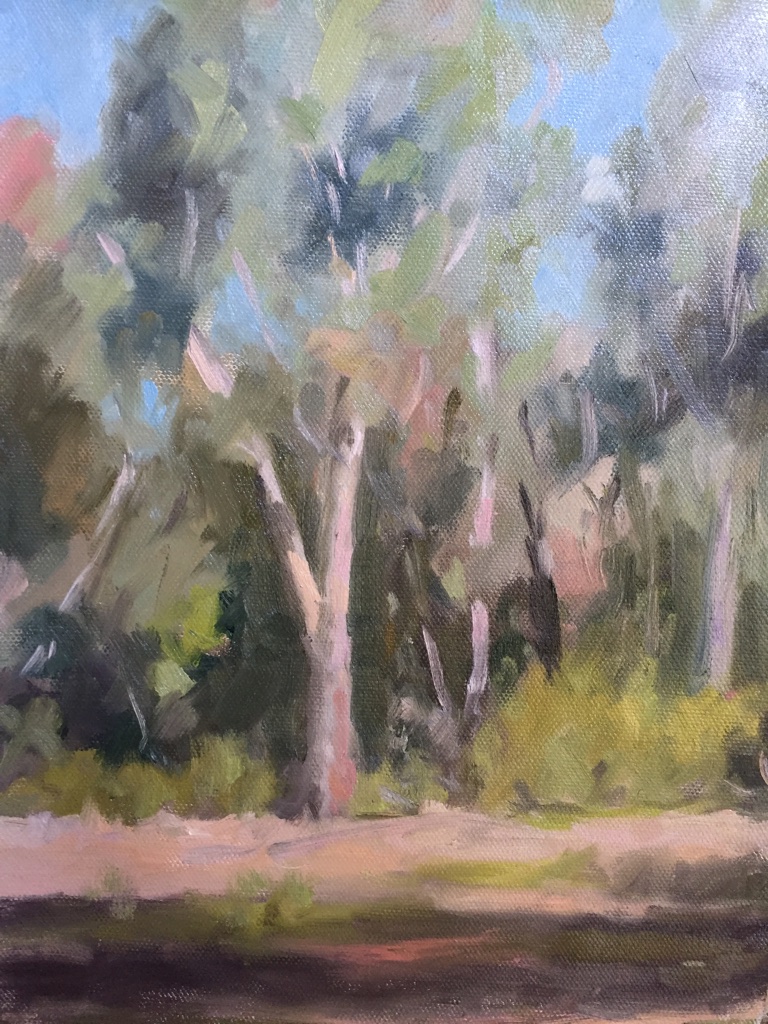
Wingrove Park Summer by Don James

In this day and age with the advancement in photographic and digital imaging I can understand why increasing numbers of people are turning to these new technologies as part of their painting practice but I find myself unable to either do it or to judge objectively the work of those who do. I suppose those who paint this way would consider me a dinosaur or as the title of this blog suggests OLD FASHIONED but it is too late for me to change now and besides, i don’t want to. For good or ill, I will continue teaching those who wish to learn this skill and to indulge in the thrill of working before the subject, experiencing nature in the raw so to speak. Wonderful!

Don James 16th October 2023

GREAT EXPECTATIONS

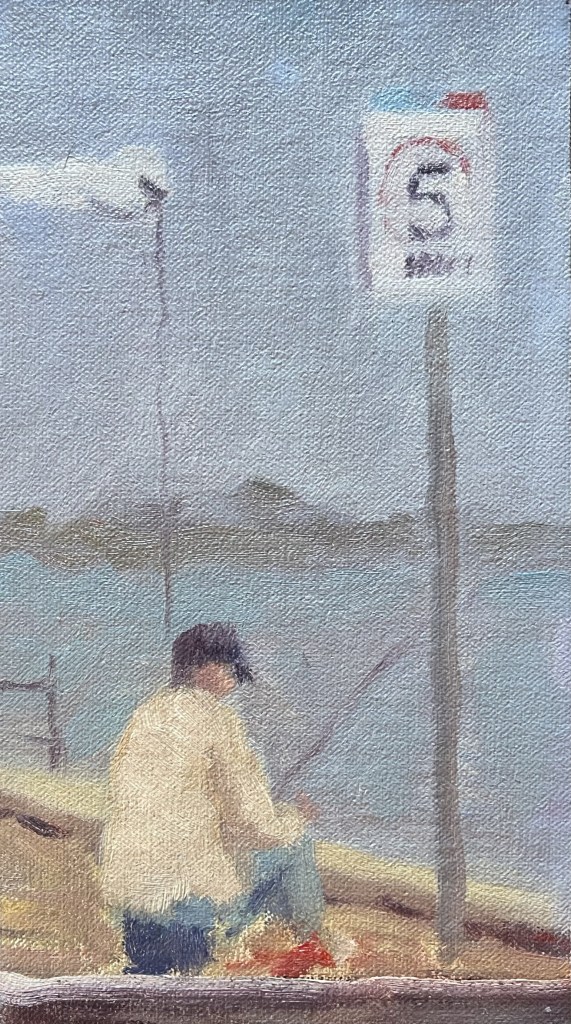
Waiting for a bite – Queenscliff

As i live through my 80th year my expectation of a long and healthy life reduces somewhat but my desire for the same does not. This is a conundrum that I find difficult to handle. I have access to two beautiful studios and live in a country with almost endless opportunities to paint in the great outdoors. One of the studios, set in 5 hectares of gardens with a number of buildings of stone, mud brick, pise and timber which set a tone of French provincial to Gothic and has inspired many artists to visit or live and work as painters, ceramicists , musicians, luthiers, builders and gardeners for the last 90 years.

I have worked here both as a painter and a teacher for the last 31 years and occupied 5 of the studios during that time.

The Studio Porch- Montsalvat

Meldrum at the top of the stairs.

David Moore, the painter, invited me to join him at this wonderful complex in 1992 and share what was called “The Boat Studio” which was part of what is now “The Barn” until the disastrous fire in 1996. This room had been the last abode of Justus Jorgensen the instigator and driving force behind this establishment. A man of apparently strong opinions and an artist and architect of genius he drew around him admirers and acolytes who contributed their labour to help build Jorgy’s dream.

I had worked in the Boat Studio in the mid 1980’s with my teacher Alan Martin as he taught portrait painting workshops there although I first visited the place in the early 1960’s with my then girlfriend, now my wife. We paid our silver coin donation entry to Lesley at the Gate House and wandered the grounds and buildings soaking up the atmosphere little knowing that I would work there some 30 years later.

Off to the Great Hall

So here I am, still trying to wave the flag for the craft that I have been practising since first entering the studios at the Victorian Artists’ Society over 50 years ago. Whilst only teaching one class a week I still gain inspiration those students and continue to learn at least as much from them as I impart to them.

I have no idea how many students I have taught since commencing teaching in 1982 with the Woodend Art Group as a stand in instructor but apart from some periods of off time due to illness I have worked constantly at spreading the gospel according to Saint Max ever since.

My Eaglemont Studio

Apart from Woodend I have taught at Gisborne, Keilor, The Malvern Artists’ Society, The Victorian Artists’ Society, The Studio of Alan Martin in Eltham and of course at Montsalvat. I guess that the number of “Little Ones” as Shirley Bourne used to call her students that I have taught would total in the hundreds.

I can only wish that I have inspired a percentage of them to continue to practice their craft and that I have not done any harm along the way. I am aware of several who have become very skilled at the art of tonal realist painting and continue to practice and pass on those those skills to others. This makes me proud to have nurtured a tradition that has existed for centuries.

My Montsalvat Class

I expect to continue painting and teaching until I ‘drop’, as they say hoping that some students will catch the bug that infected me some 50 years ago. The perfume of oil paint, linseed oil and linen canvas is still one of my favourites, almost up there with freshly brewed coffee and the visual stimulation from a view of the Dandenong ranges or Point Lonsdale to the first camellia of the year is still thrilling.

What more could I desire?

The first camellias of 2023

Don James April 2023

THE MEANING OF ART? WHO CARES!

Ever since first having access to Max Meldrum’s book The Science of Appearances and being instructed in the craft of painting by his student Alan Martin, I have avoided calling myself an artist, rather seeing what I do as a craft. It is amazing how many people are annoyed by this and seem to be dismissive of the term craft in reference to painting saying “Oh no! You are an artist” inferring that I am putting myself down using this reference.

To be honest, after almost 50 years painting, I use the word craftsman tentatively as I still feel that I am learning my craft and will continue to do so as long as I continue to practise it.

Roger Pulvers, in his excellent book, My Japan a Cultural Memoir published by Balestier Press quotes a Japanese author Shirasu Masako as saying in 1947 “What we need is not artists but artisans. People attempt to create art and fail. If you create something with great skill, it may very well result in art.” His strikes me as a very Japanese attitude with their particular system of National Living Treasures.

The world is full of budding artists. I am regularly approached by passers-by as I paint in the landscape with stories of frustrated desires to paint being put on hold by work commitments, having children or merely a lack of encouragement of family. Many of these people still harbour a need to pick up a brush and have a go and sometimes do but I counsel them to find a good teacher and learn the craft as all of the great painters have done in the past.

Some say that they have tried and failed, believing that just by trying, they should be able to produce something ‘decent’. More often than not, they have been influenced as a child by a relative or family friend who had painted, sometimes having their mother’s painting gear and despairing that their efforts at using this are not to their liking.

Wishing won’t make it happen. Just because one has a violin in the wardrobe that belonged to Uncle Charlie, does not confer any special gift upon you. If you have listened closely to Uncle Charlie play, if he was a competent well-trained violinist and you liked what he did, this may stimulate you to find a teacher and settle in for a lifetime’s work in mastering the technique to the point where, as my teacher has been known to say, “you may be able to produce something half-way decent.”

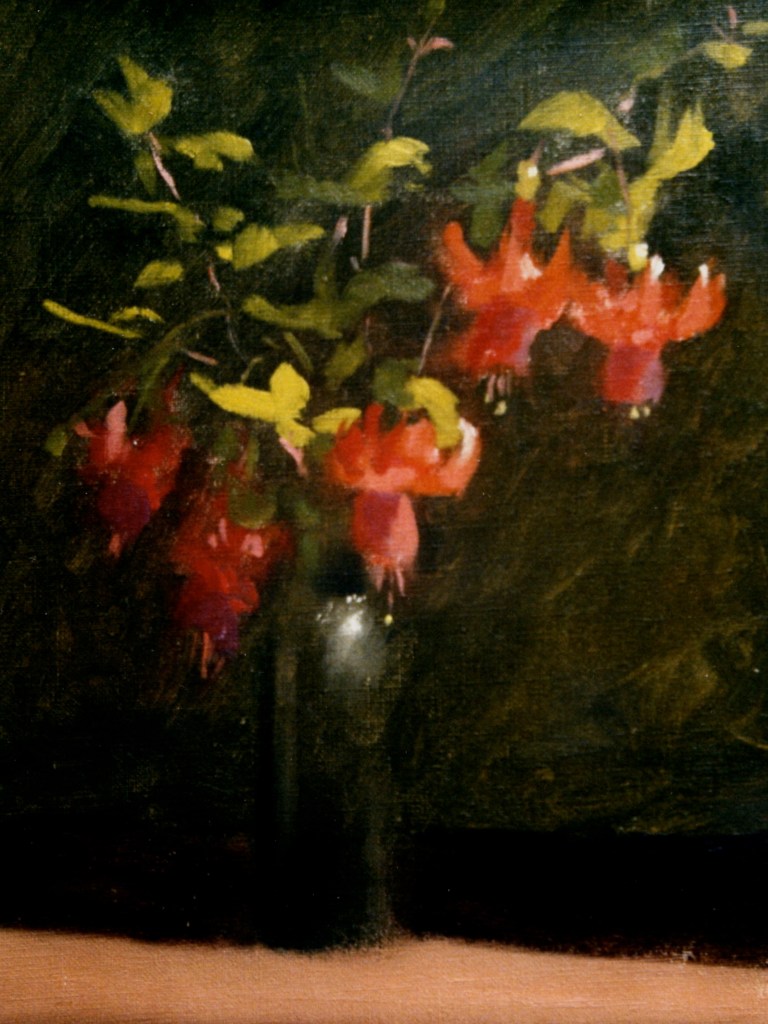
Fuchsia

My aim in teaching has been to impart to my students the desire to observe nature as a painter should, handle the materials and tools correctly, mix up the right tones in the right colours, put them on the canvas in the right place and control the edges just as Alan Martin and Shirley Bourne taught me back in the 1970’s and 80’s. Both of these painters were true treasures of the craft of painting and great teachers, both now somewhat overlooked by the art world but fondly remembered by their students and those who carry their knowledge forward into the future.

9th September 2022

Vale Queen Elizabeth 2